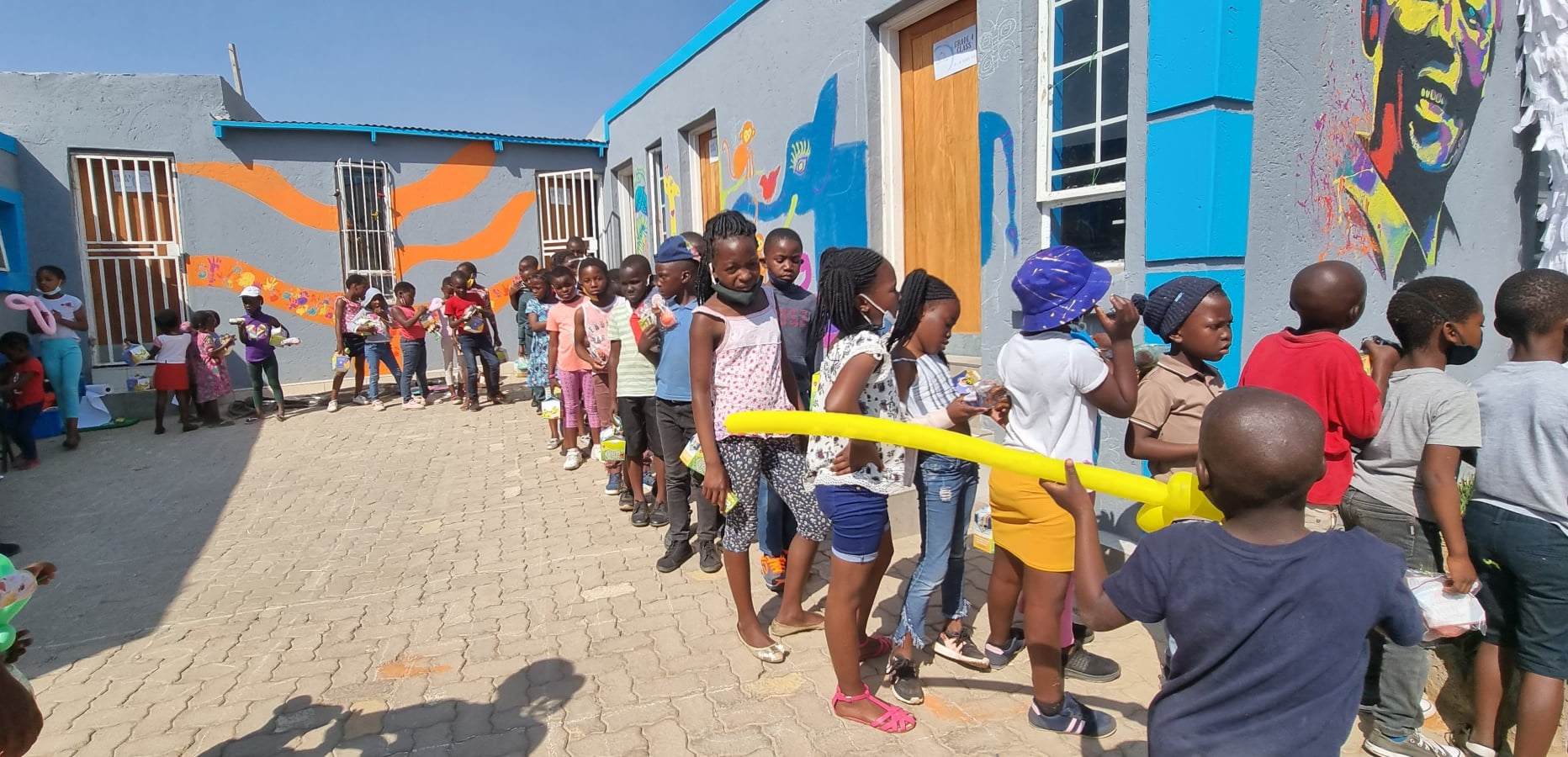
Our ECD / School: A Beacon of Hope in Kya Sand
Our ECD / School has been a vital refuge in the Kya Sand community, offering children a safe space and the chance to escape the harsh realities of hunger and malnutrition. Each day, we provide two nutritious meals, which not only support their health but also enable them to focus on their education—a key to breaking the cycle of poverty. Beyond education, our school acts as a sanctuary from the pervasive issues of domestic violence, sexual abuse, and child neglect, which are unfortunately common in this informal settlement and in many parts of South Africa.
Operating as a low-cost independent school, we rely entirely on sponsorships and donations to sustain our programs. Despite the lack of government funding, grants, or subsidies—largely due to our location in an informal, rural settlement—we remain committed to offering these children a quality education and a safe environment. However, the lack of support further exacerbates the challenges faced by our students, who deserve access to quality education and the chance to build a brighter future, regardless of circumstances beyond their control.
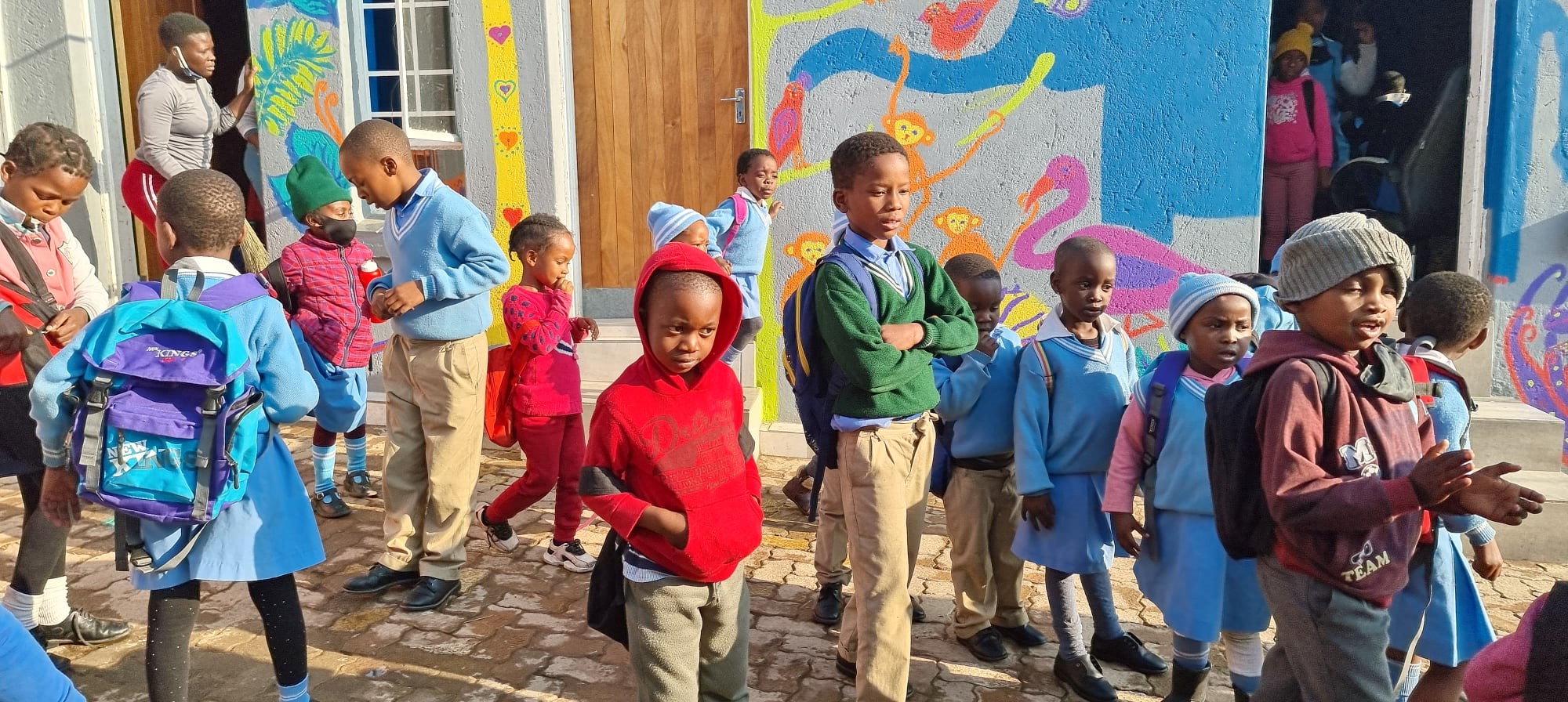
Vision Statement
To foster a society where every child can reach their full physical, cognitive, and social potential, building a foundation for lifelong success and breaking the cycle of poverty through quality early childhood education and nurturing care.

Mission Statement
To provide comprehensive early childhood development programs that promote physical, psychological, cognitive, and social growth in young children from underserved communities. Through compassionate care, structured learning, and nutritional support, we aim to create a safe environment where each child can thrive, helping to reduce social inequality, increase future economic opportunity, and build stronger communities
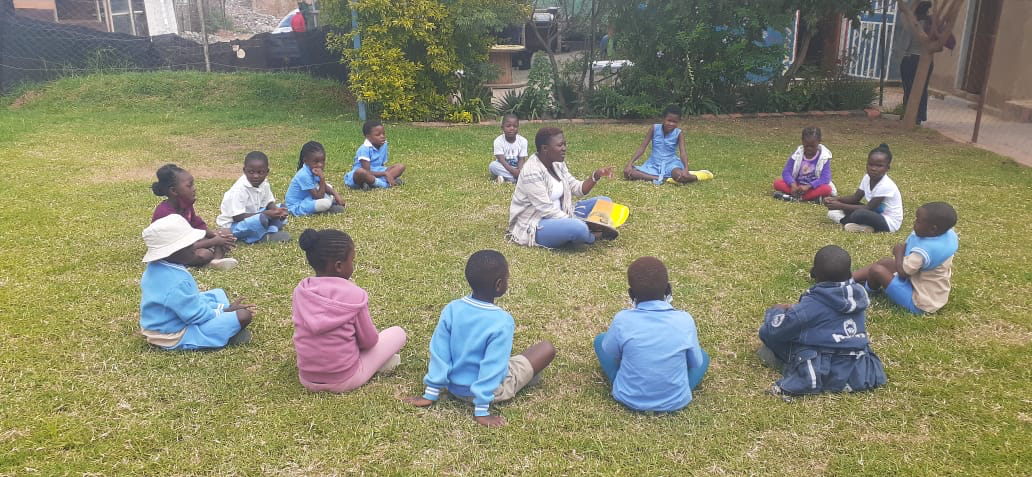
CAPS Curriculum
The CAPS (Curriculum and Assessment Policy Statement) is South Africa's national curriculum framework, which outlines the teaching and assessment requirements for grades R (Reception) through 12 in public schools. Introduced by the Department of Basic Education, CAPS provides a standardized curriculum intended to ensure consistency in education quality across the country. Here’s an overview of the CAPS curriculum:
CAPS aims to provide a structured, clear curriculum that defines what content should be taught and how it should be assessed at each grade level.
It is designed to promote high standards of learning and to ensure all students have access to a balanced, equitable education regardless of their location or background.
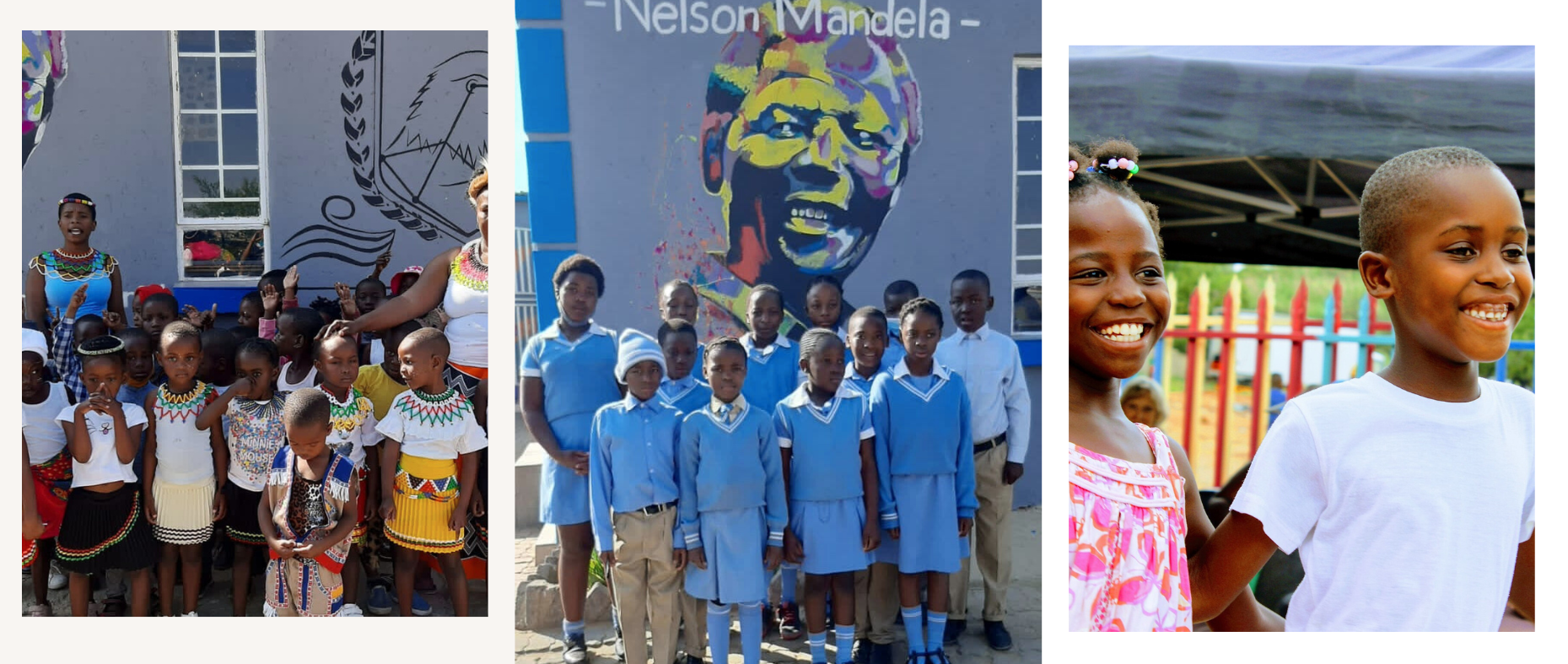
Foundation Phase Grade R - 3
The CAPS Foundation Phase is designed to lay a solid academic and social foundation, preparing children for future learning and life. This phase fosters essential life skills, builds a love for learning, and helps children develop the confidence needed to advance into higher grades. Through structured activities and a nurturing environment, children are not only equipped with academic basics but also develop critical interpersonal skills and emotional resilience.
In summary, the CAPS Foundation Phase provides young learners with a safe, happy, and engaging space where they can thrive, learn, and grow—setting them on the path to a successful educational journey.
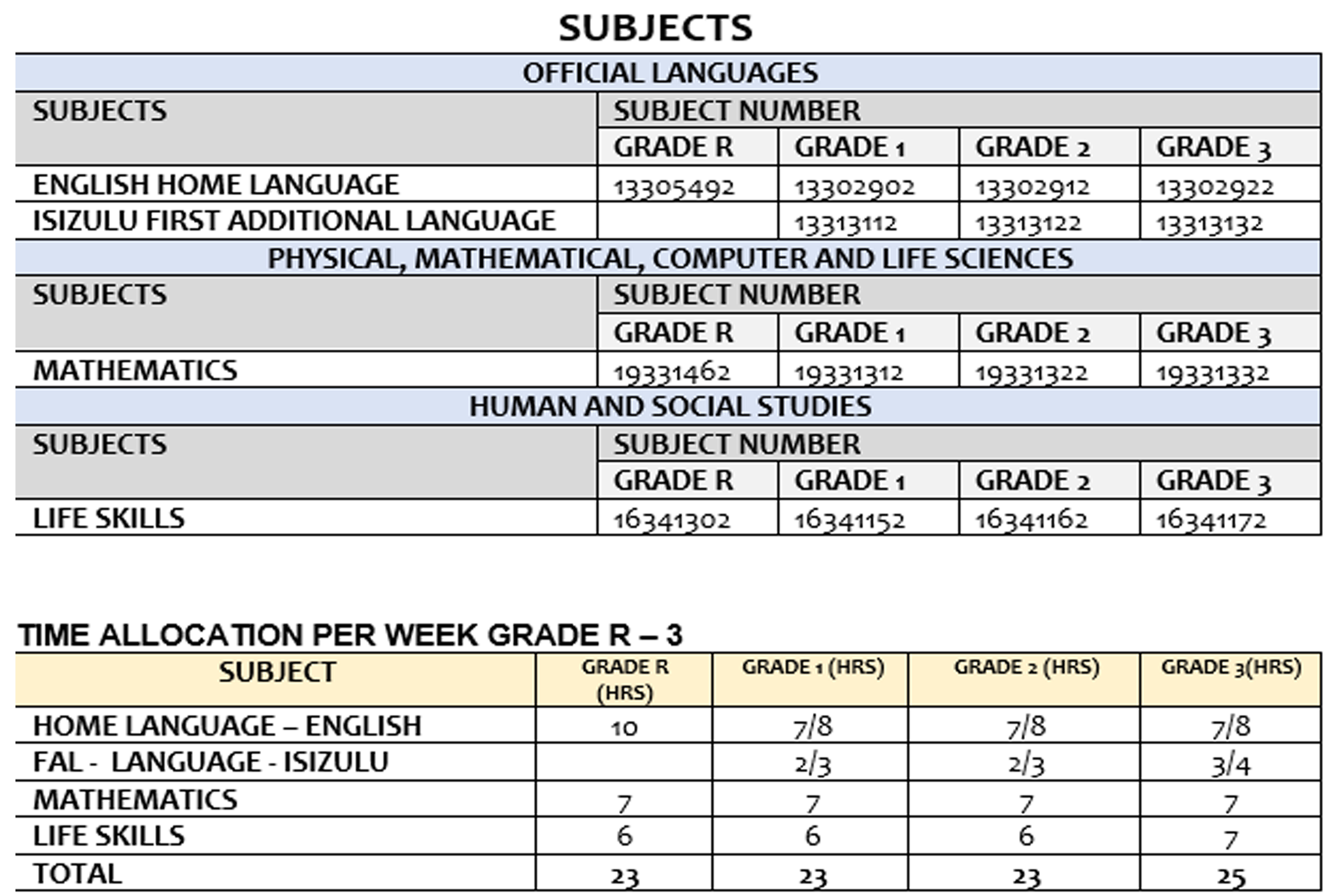
- The instructional time for Grades R, 1 and 2 is 23 hours and 25 hours for Grade 3.
- Ten (10) hours are allocated for languages in Grades R-2 and 11 hours in Grade 3.
- A maximum of eight (8) hours and a minimum of seven (7) hours are allocated for the language at Home Language level, and a minimum of two (2) hours and a maximum of three (3) hours for the language at First Additional Language level in Grades 1-2.
- In Grade 3 a maximum of eight (8) hours and a minimum of seven (7) hours are allocated for the language at Home Language level, and a minimum of three (3) hours and a maximum of four (4) hours for the language at First Additional Language level.
- The time allocated to breaks, assemblies and extramural activities is excluded from the time allocation.
- Time must be made available to support learners who experience barriers to learning within the instructional time.
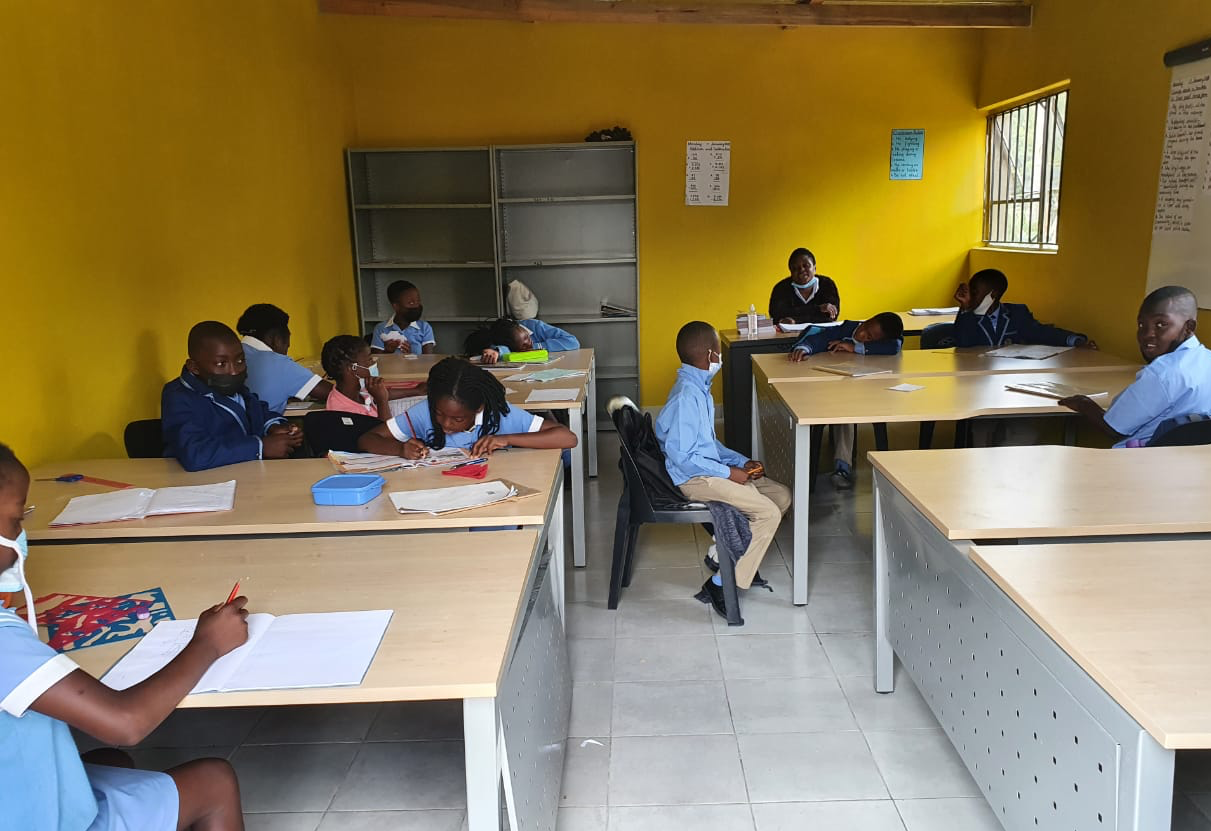
Intermediate Phase 4 - 6
The Intermediate Phase focuses on strengthening learners' literacy and numeracy skills, while introducing them to new subjects that broaden their knowledge and understanding of the world. The emphasis is on developing critical thinking, analytical skills, and the ability to work independently as well as in groups.
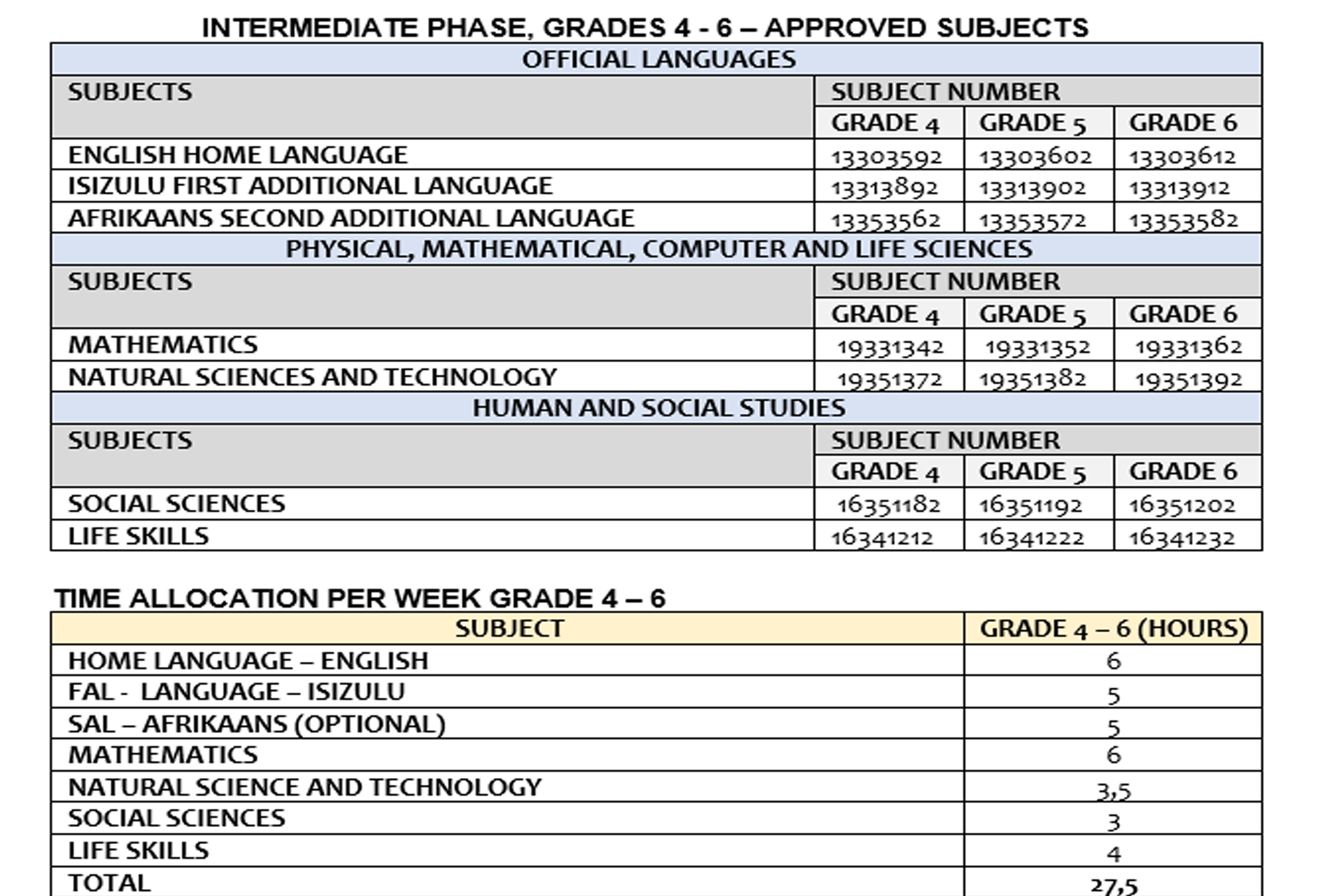
- The instructional time for Grades 4, 5 and 6 is 27,5 hours. The time allocated to breaks, assemblies and extramural activities is excluded from the time allocation..
- Schools offering an optional language selected from Table 6 on at least Second Additional Language level as contemplated in paragraph 12(6) may not use the time allocated for the subjects listed in Table 10. Optional languages may only be offered if the school can make an arrangement for the allocation of additional time to the allocated 27,5 hours
- Time must be made available to support learners who experience barriers to learning within the instructional time.

Senior Phase – Grade 7
Co-curricular activities are activities that take place outside the classroom but reinforce or supplement classroom curriculum in some way. They are ungraded and do not offer any form of academic credit, but they do provide complementary learning of some form. Examples of co-curricular activities might include National Honor Society, student council, school sports teams, math clubs, chess clubs, talent shows, spelling bees, writing competitions, debates, mock trials, school newspapers, and drama productions. All of these activities take place outside the traditional classroom and offer no grade or academic credit, but they provide supplementary and complementary instruction and education for students.
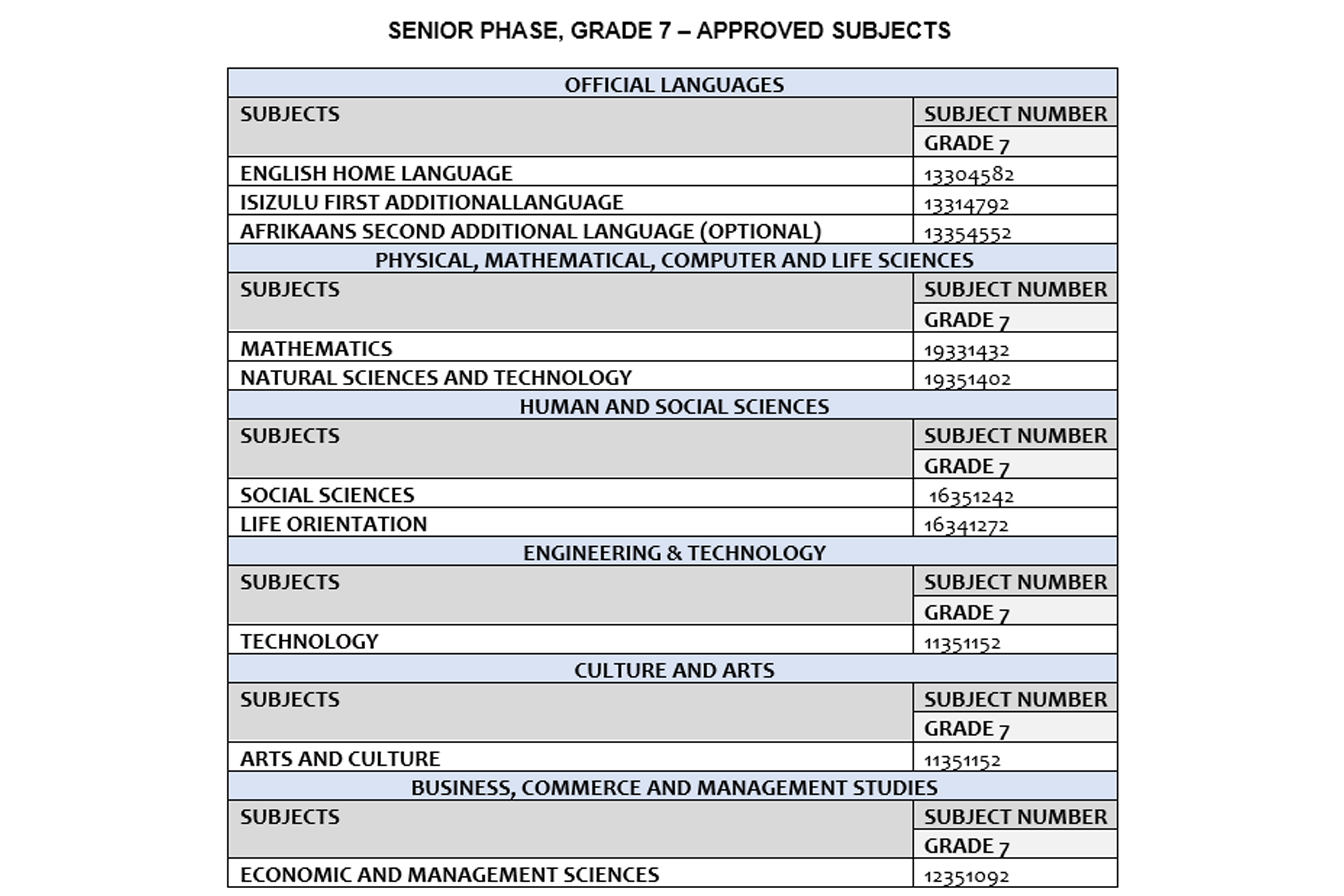

- The instructional time for Grades 7 is 27,5 hours. The time allocated to breaks, assemblies and extramural activities is excluded from this time allocation.
- Schools offering an optional language selected from Table 11 on at least Second Additional Language level as contemplated in paragraph 19(9) may not use the time allocated for the languages listed in Table 18. Optional languages may only be offered if the school can make an arrangement for the allocation of additional time to the allocated 27,5 hours.
- Time must be made available to support learners who experience barriers to learning within the instructional time.
Scholastic and Personal Growth Evaluation
Done through Continuous Assessment on an Outcomes Based Programme. In 2012 The Foundation Phase introduced CAPS, Curriculum Assessment Policy Statement, where the learners are taught knowledge, skills and values.
Homework Routine
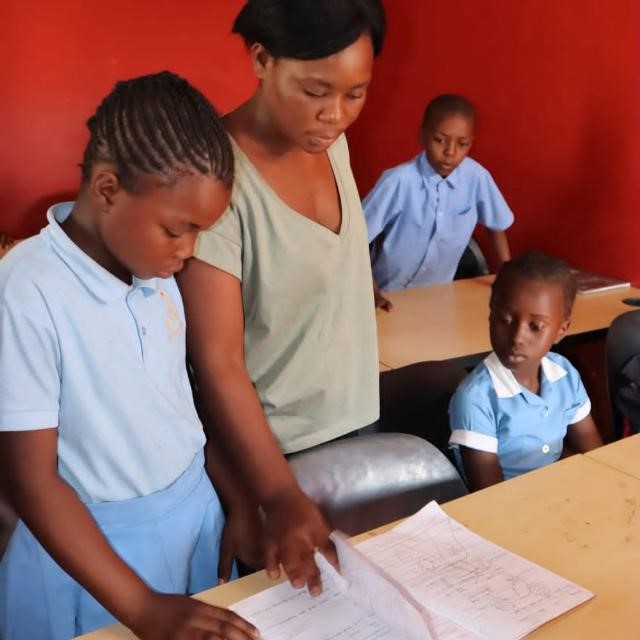
Homework is of value to pupils of all ages as it helps them build on what they have already learnt in the classroom and prepares them for their next stage of learning. It is also valuable for teachers as it helps them assess the progress of their pupils. We ask that your daughter has a regular place and time for doing homework – written or revision. Pupils in Grade 1 have a Collegiate homework diary in which homework for the day is recorded. Grades 2 and 3 have homework books. Parents are asked to sign the diary/file daily after homework has been completed and to use this as a means of communication with the class teacher.
Learning Support and Intervention
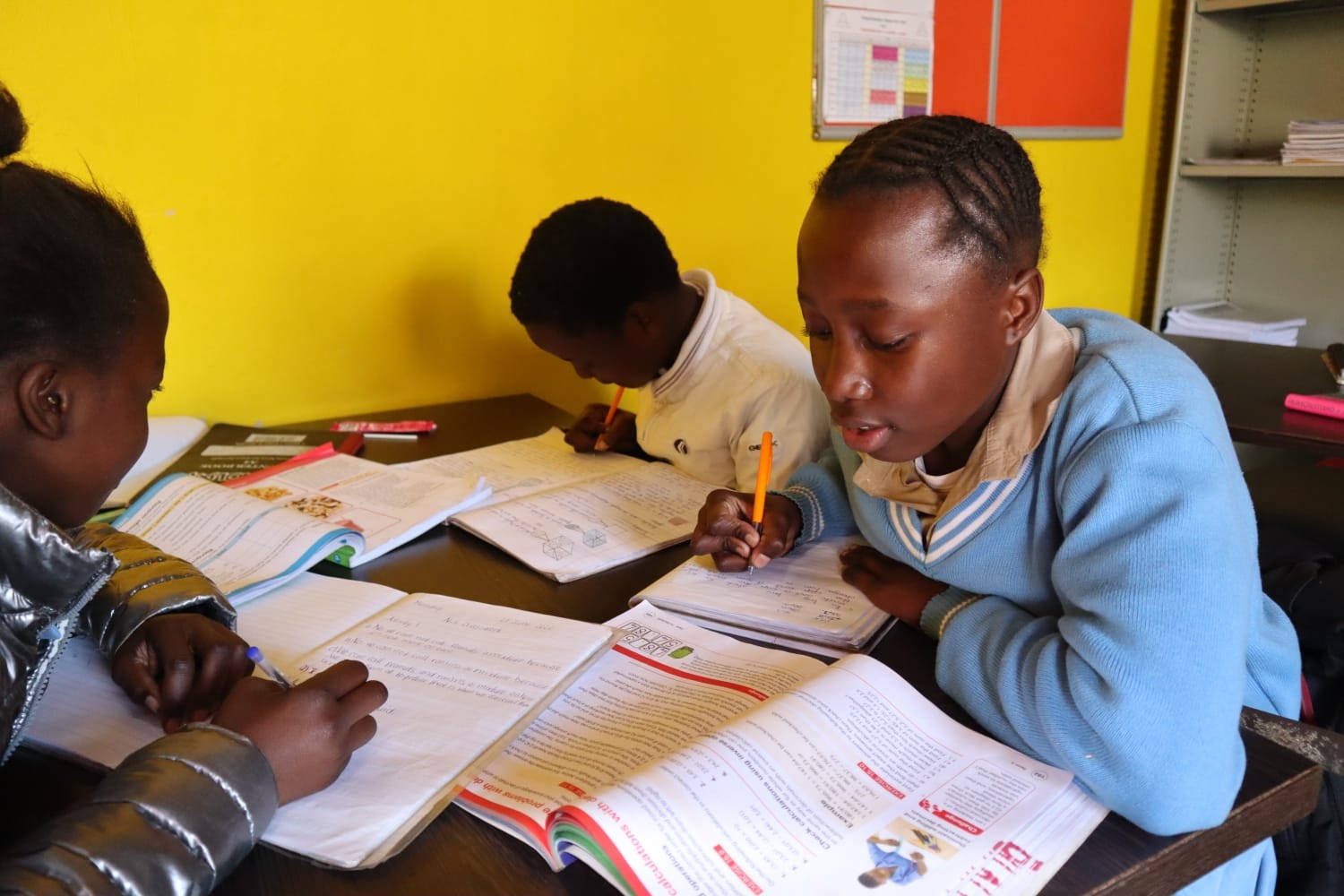
A Learning Support teacher is available to assist the children who need extra tuition in Literacy or Numeracy. Lessons take place between 2.30pm and 4:00pm. Small groups are assisted at a time which affords the learner more individual attention. In addition, we offer an Institution Learning Support Programme (ILSP) (extra lessons) after school, by the class teacher. Learners who may require consolidation in either numeracy or literacy are encouraged to attend these after school sessions.
Assessment
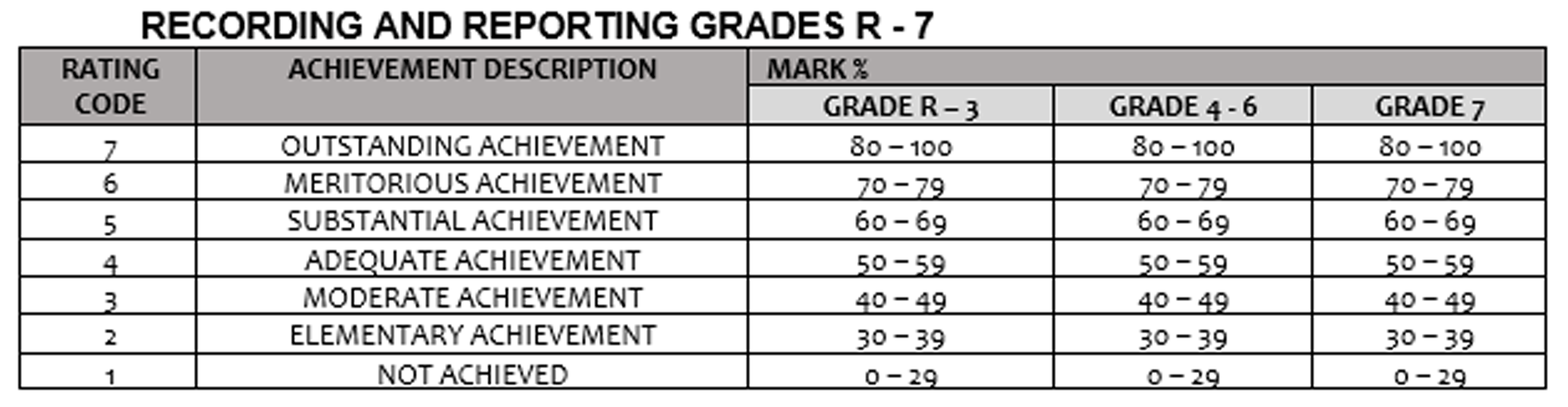
Assessment is a process of collecting, synthesizing and interpreting information to assist the teacher(s) in making decisions about the progress of the learner. While both formal and informal assessment is used throughout the year, only the formal tasks are recorded for the purpose of progression to the next grade. The Grades 1, 2 and 3 children receive reports at the end of each term. The report provide a clear holistic picture of the learner’s achievement in the different Subjects. Personal interviews between parents and teachers are encouraged, at convenient times, throughout the year over and above the first term and third term set interviews.
Co- Curricular Activities
Computer Science and Computer Fundamentals Course
Benefits of Teaching ICT Skills in Primary School
- Improved Problem-Solving Skills: Children learn to approach tasks systematically and explore solutions.
- Increased Engagement: Digital learning tools make education more interactive and enjoyable.
- Preparation for Future Learning: ICT skills are foundational for almost all secondary school subjects and future careers.
- Digital Responsibility: Early lessons in online safety and digital etiquette create responsible digital citizens.
By building these ICT skills in Phronesis School, children gain the confidence and competence needed to navigate the digital world safely, creatively, and responsibly.

Computer Science and Computer Fundamentals Course
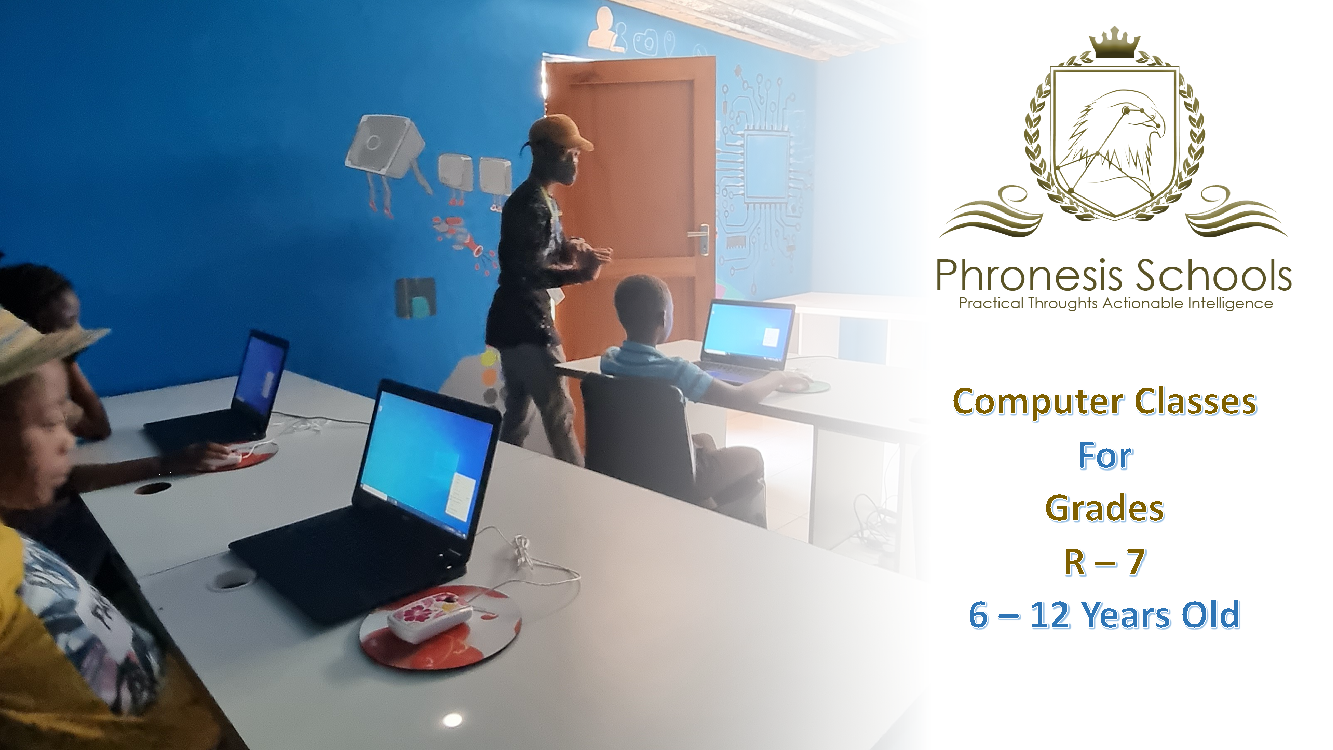
This 12-month program is designed to introduce children to essential computer skills, providing them with a strong foundation in Computer Science and IT Fundamentals. Early exposure to these skills can set children up for future success, fostering confidence and familiarity with technology. Given the central role computers play in our lives, this course aims to make children comfortable with technology, teaching them not only how computers work but also how to use them safely and effectively.
Course Outline
Module 1: Introduction to Computers
- Introduction to Computers and IT
- What is IT, and why is it important in today’s world?
- The role of computers in everyday life.
- When and How to Introduce Children to Computers
- The benefits of early computer education.
- Best practices for teaching young learners about technology.
- Understanding the Basics
- Teaching children how computers work in simple terms.
- Overview of essential computer skills children will build on.
Module 2: Computer Basics
- What a Computer Looks Like
- Introduction to the different parts of a computer.
- Basic components children will see on desktops, laptops, and tablets.
- Understanding Computer Ports
- What ports are and their uses (USB, HDMI, etc.).
- Connecting devices like keyboards, mice, and monitors.
- Different Types of Computers
- Desktop vs. laptop vs. tablet vs. smartphone.
- Brief look at different computer types used in various settings.
Module 3: Computer Components
- Hardware
- Understanding physical parts of a computer.
- How hardware contributes to computer functions.
- Operating Systems
- Introduction to operating systems like Windows, macOS, and Linux.
- Basic navigation skills in a child-friendly operating environment
- Software or Applications
- What applications are and examples like games, word processors, and paint programs.
- Difference between applications and operating systems.
- Networking Basics
- Introduction to networking and the concept of connecting devices.
- Simple explanation of Wi-Fi and how it enables internet access.
Module 4: Computer Hardware
- Memory (RAM)
- Explanation of RAM as short-term memory for quick data access.
- Role of memory in computer performance.
- Processing (CPU)
- Introduction to the CPU as the computer's “brain.”
- How the CPU processes information and instructions.
- Hard Disk (Storage)
- Storage basics: what’s saved and how it’s accessed.
- Difference between RAM and hard disk storage.
- Motherboard and Other Components
- Explanation of the motherboard as the backbone connecting parts.
- Overview of other components (graphics card, power supply).
- Peripherals and Input Devices
- Familiarity with common peripherals (mouse, keyboard, printer, speakers).
- How each device works and adds to computer functionality.
Module 5: Computer Functionality and Safety
- Understanding Information Transmission (0s and 1s)
- Simplified explanation of binary and how computers use it.
- Basic concepts of how information is processed and stored.
- Comparison: Computer vs. Human Body
- Analogies between computer parts and human body parts.
- Helping children understand concepts by linking to real-world examples.
- How the Internet Works
- Introduction to the internet as a global network.
- Basic concepts of websites, browsing, and online communication.
- Buying a Computer
- Factors to consider when choosing a computer for different needs.
- Brief on basic specifications (RAM, storage, screen size) for kids.
- Internet Safety for Children
- Importance of online safety: keeping personal information private.
- Responsible internet behavior and identifying potential dangers online.
- Safe searching, avoiding suspicious links, and understanding privacy settings.
Learning Outcomes
By the end of this course, children will:
- Be familiar with computer parts, functions, and basic terminology.
- Understand how to operate a computer and navigate an operating system.
- Gain foundational knowledge of software, hardware, and networking.
- Know basic internet usage and essential online safety practices.
- Build confidence in using technology for both learning and play.
Teaching Methods
- Hands-On Practice: Children will get to handle computers and explore components.
- Interactive Activities: Engaging games, puzzles, and activities to reinforce concepts.
- Visual Aids and Analogies: Using visuals and real-world analogies to simplify technical concepts.
- Collaborative Learning: Encouraging teamwork and group activities for peer-to-peer learning.
Sports, Arts and Culture
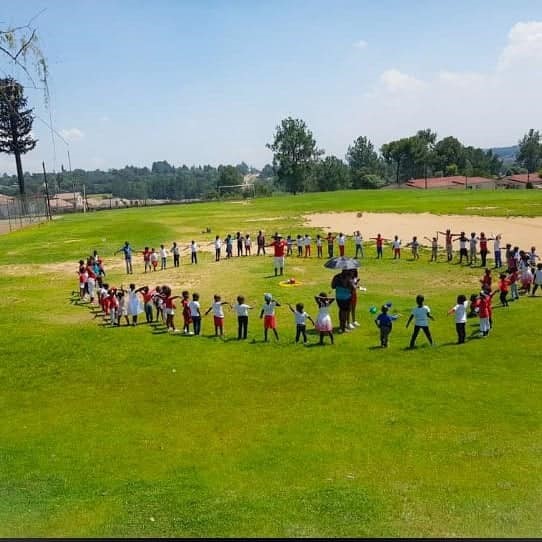
At Phronesis School, we believe that a well-rounded education goes beyond academics, and we are committed to nurturing students’ talents in sports, arts, and culture. Our program includes a variety of activities designed to develop physical health, creativity, and an appreciation for cultural diversity, which are essential for students' holistic growth.

Sports
We offer a range of sports activities to help students stay active, learn teamwork, and build resilience. Our sports program includes:
- Soccer and Netball: Encouraging teamwork, strategy, and physical endurance.
- Athletics: Developing individual skills in running, jumping, and throwing events.
- Fun Physical Activities: Games and exercises to promote overall fitness and well-being.

Arts
The arts program allows students to express their creativity and develop new skills. Activities include:
- Visual Arts: Drawing, painting, and crafts, encouraging imagination and hands-on skills.
- Performing Arts: Drama and dance activities that build confidence, communication, and self-expression.
- Music: Basic music lessons that introduce students to rhythm, melody, and musical appreciation.
Culture
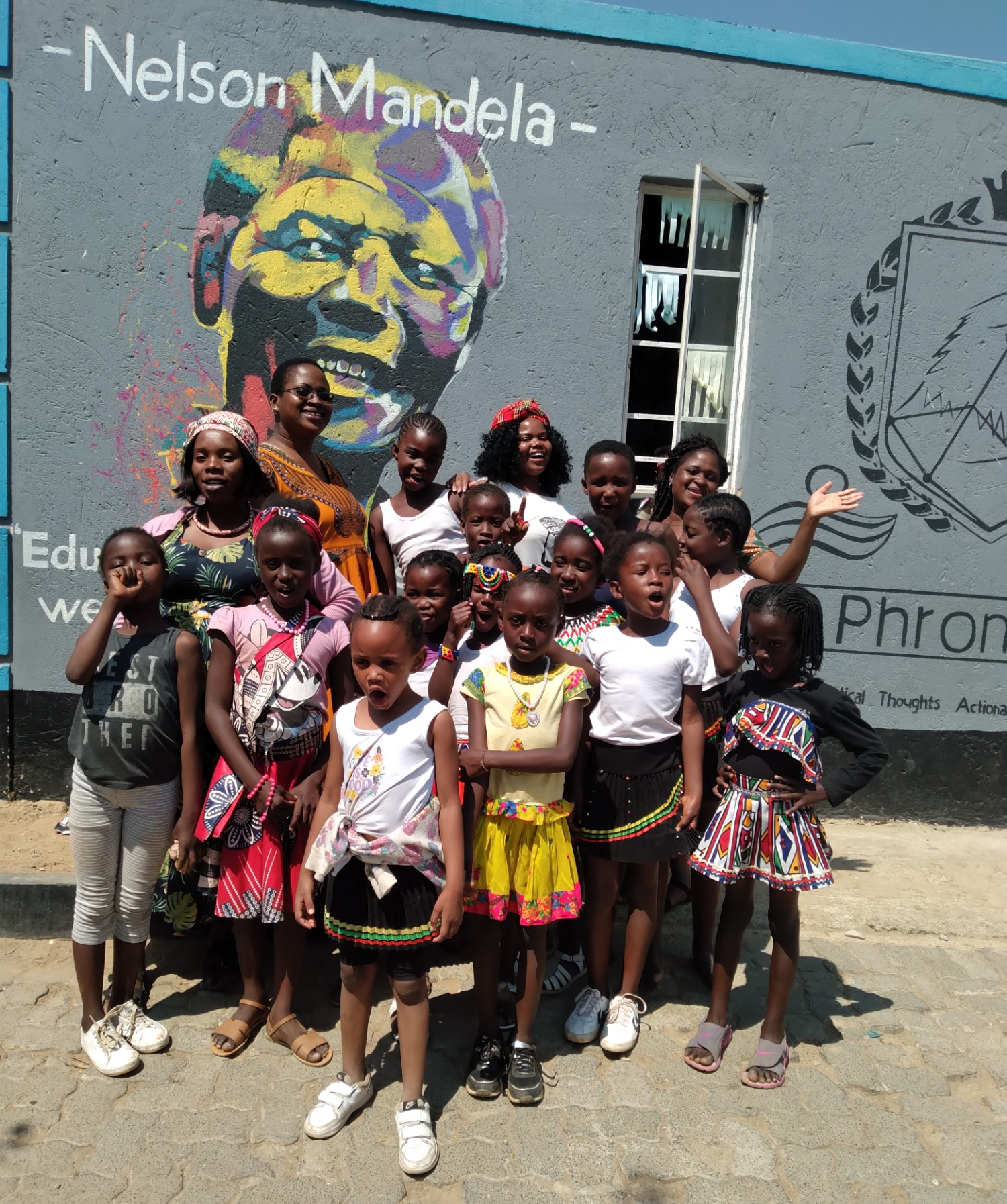
Through cultural activities, students learn to appreciate diversity and the importance of their heritage. Our cultural program includes:
- Cultural Celebrations: Events and festivities that highlight different cultures, customs, and traditions.
- Heritage Education: Learning about local and global heritage, instilling a sense of pride and respect for diversity.
- Storytelling and Folklore: Sharing stories from different cultures to broaden students' worldviews and foster inclusivity.
